
12 Feb Precision Under Pressure: What the Winter Olympics Reveal About Phlebotomy
Author: Phlebotomy Training Specialists Team
Helping you build a fulfilling healthcare career—one blood draw at a time.
Every four years, the Winter Olympics give us moments that feel almost unreal.
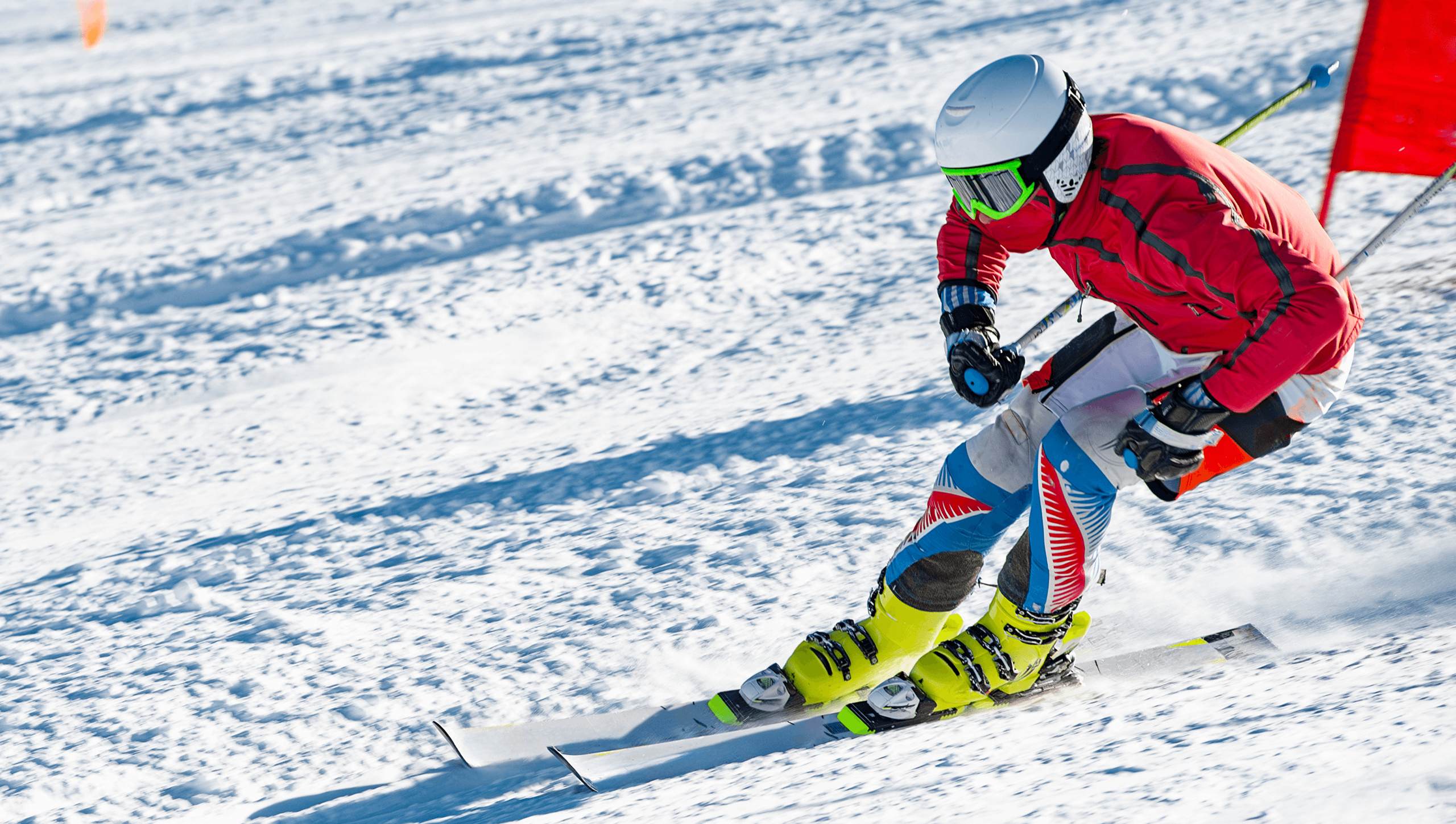
A skier launches down an icy mountain at highway speeds.
A figure skater lands a jump that could make or break their routine.
A bobsled team races through a frozen track where a single mistake can cost everything.
We cheer for the medals, the records, the drama.
But behind every Olympic moment is something quieter, steadier, and just as important: precision under pressure.
It’s a quality Olympians rely on, and one that phlebotomists use every single day.
The Part of the Olympics You Don’t See
While the spotlight stays on the athletes, a massive team works behind the scenes to keep the games fair and safe. Medical professionals, lab technicians, and trained specialists are responsible for monitoring athlete health and conducting blood testing as part of anti-doping and wellness programs.
These aren’t casual procedures.
Blood draws must be accurate, timely, and carefully documented. There’s no room for shortcuts. The integrity of the process matters just as much as the result.
Sound familiar?
For phlebotomists, this level of responsibility isn’t unique to the Olympics; it’s the standard.
Precision Is Everything
A biathlete steadies their breathing before pulling the trigger. A curler releases a stone with exact force and angle. These athletes succeed because they control small movements with confidence.
Phlebotomy requires that same mindset.
Finding a vein.
Positioning the needle.
Collecting samples correctly the first time.
A steady hand is a professional promise. Patients trust phlebotomists to perform a procedure that may seem simple, but, in reality, demands focus, accuracy, and consistency.
Just like in elite sports, the smallest details matter.
Calm When the Pressure Is On
Olympic athletes train for years so that when the pressure peaks, their nerves don’t take over.
Phlebotomists face pressure, too, just in a different form.
- A nervous patient
- A busy clinic
- A child afraid of needles
- A hospital setting where timing is critical
In those moments, staying calm makes all the difference. Patients often take emotional cues from the person drawing their blood. A confident, composed phlebotomist can turn a stressful experience into a manageable or even positive one.
That calm professionalism is a skill that’s learned, practiced, and refined over time.
Repetition Builds Excellence
Olympians don’t rely solely on talent. They repeat the same movements over and over until excellence becomes automatic.
Phlebotomy works the same way.
Through training and hands-on practice, phlebotomists learn proper techniques, safety protocols, and patient care standards. Over time, muscle memory takes over. What once required intense focus becomes second nature, allowing phlebotomists to work efficiently while still giving each patient their full attention.
Repetition doesn’t make the work boring. It makes it reliable. And in healthcare, reliability saves lives.
Ethics Matter On and Off the Podium
One of the core values of the Olympic Games is fairness. That’s why anti-doping programs exist in the first place: to protect the integrity of competition.
Phlebotomy is built on integrity, too.
Accurate labeling, proper handling, patient confidentiality, and strict adherence to procedures are ethical obligations. A single mistake can affect test results, diagnoses, and treatment decisions.
Phlebotomists may not be standing on a podium, but their work carries real consequences for real people every day.
A Career That Works Behind the Scenes
Not everyone dreams of Olympic glory, but many people still want to participate in something meaningful. Something that requires skill. Something that helps others. Something they can be proud of.
A career in phlebotomy offers exactly that.
Phlebotomists work behind the scenes, delivering the same level of precision every day, whether in the Winter Olympics or at a local healthcare facility. Their precision makes healthcare systems function quietly, efficiently, and ethically.
For those who enjoy hands-on work and are looking for a fast entry into the medical field, phlebotomy can be the starting point of a rewarding healthcare career.
Final Thoughts
The Winter Olympics remind us that excellence isn’t always loud.
Sometimes, it looks like steady hands.
Focused attention.
Doing the same important task well, every single time.
That’s the kind of excellence we teach at Phlebotomy Training Specialists. If you are interested in becoming a Phlebotomist, enroll today to start your healthcare career!