Phlebotomy

When writing your resume for a phlebotomy application, you must show that you have the right skills for the job. This shows you know what you’re doing and meet the job's requirements. Here’s a simple guide on what valuable phlebotomy skills to include in your...

If you're interested in a healthcare job where you work with patients but don't spend many years in school, becoming a phlebotomy technician might be right for you. Phlebotomists are important because they help doctors by drawing blood and getting it ready for tests. This...

Understanding phlebotomy medical terminology is very important if you're starting or continuing your career in phlebotomy. These words help you every day when you talk to patients, work with other doctors, and learn more about your job. Learning these words helps you explain procedures well,...

Phlebotomy is a standard therapeutic practice used in the management of polycythemia vera (PV), a rare blood disorder characterized by the overproduction of red blood cells by the bone marrow. The increased number of red blood cells causes the blood to become thicker than normal,...

If you've ever gotten your blood tested, you've probably met a phlebotomy technician. These are important healthcare workers, but what does a phlebotomy technician do exactly? They mainly collect blood from people. Doctors use this blood to find out what illnesses you might have, see...

Phlebotomy is an important job in health care. Being a phlebotomist means you help many people while having flexibility and job security. If you want to become a phlebotomist, you need to learn about the costs of training and getting a certificate. This article will...

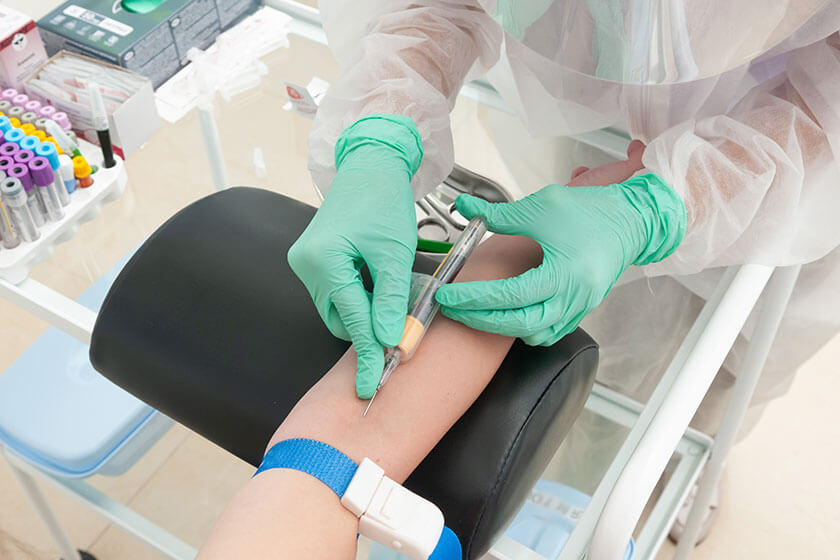
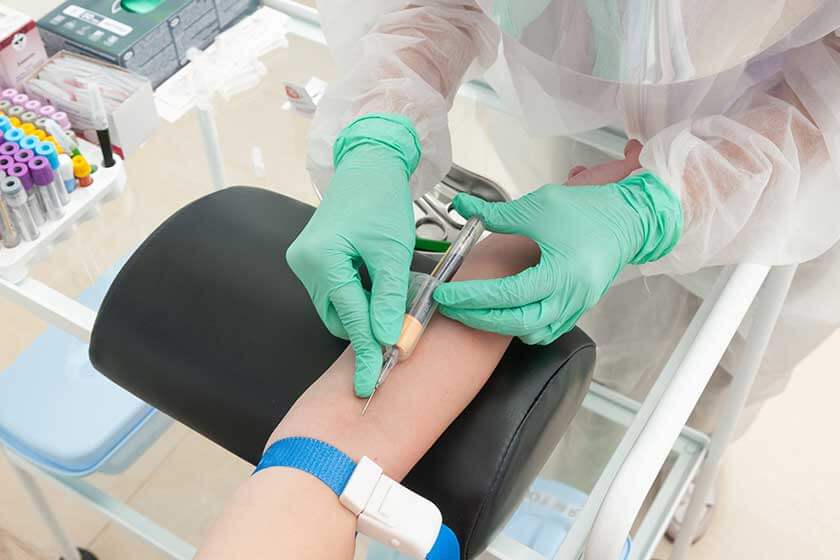
Drawing blood is an important job in healthcare that needs careful and accurate work. This step-by-step guide to the phlebotomy procedure will help you learn how to draw blood safely and well. Mastering this skill helps take care of patients and is important for different...

Phlebotomy is a very important job in healthcare. Phlebotomists draw blood for tests, donations, or research. After finishing a course, phlebotomists in training do externships to get really good at their job. This means you practice phlebotomy in a real medical place, like a hospital...